
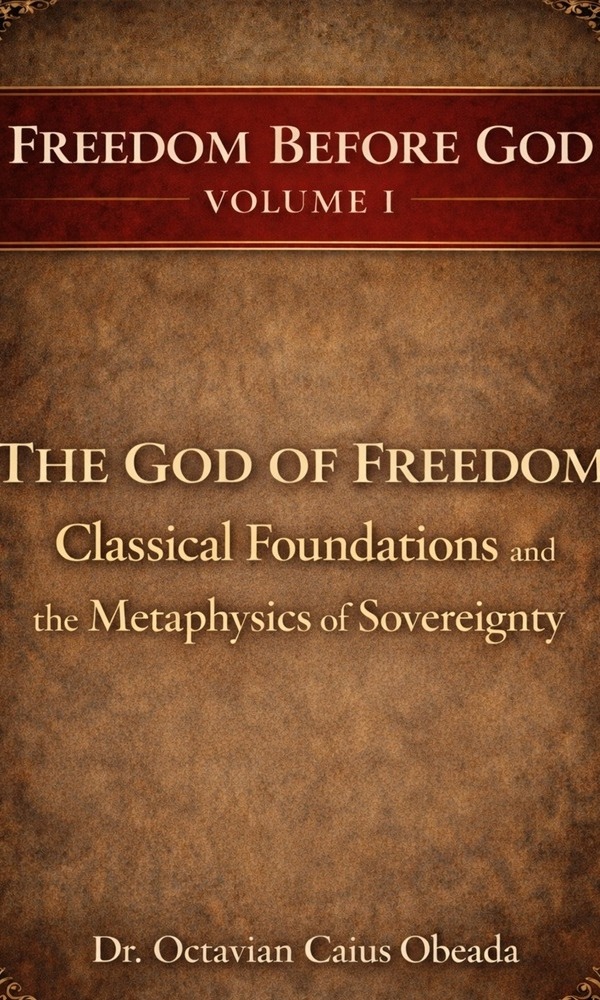
This book is also available in  Romanian language in eBook format at GoogleBooks as well as AppleBooks.
Preface
Introduction
PART I – FOUNDATIONS: THE CLASSICAL VISION OF GOD
Chapter 1: What Is a Worldview?
1.1. Why Metaphysics Matters for Apologetics
1.1.1. Definition of a Worldview
1.1.2. Worldviews Are Often Implicit, Not Chosen
1.1.3. Why Worldviews Matter in Apologetics
1.2. Metaphysics Is Unavoidable
1.2.1. What Is Metaphysics?
1.2.2. Everyone Uses Metaphysics – Even When They Deny It
1.2.3. Why Apologists Must Understand Metaphysics
1.3. Why Ideas About God Shape Ethics, Science, and Freedom
1.3.1. God and Ethics
1.3.2. God and Science
1.3.3. God and Human Freedom
1.4. Apologetics as Worldview Engagement
1.4.1. Apologetics Is Not Just Answering Questions
1.4.2. Asking Better Questions
1.4.3. The Christian Worldview as a Coherent Whole
Chapter 2: Classical Theism: The God of Christian Orthodoxy
2.1. Introduction: Why Classical Theism Matters for Apologists
2.2. Historical Orientation: The Formation of the Classical View
2.2.1. Ancient Philosophical Roots
2.2.2. Patristic Development
2.2.3. Medieval Consolidation
2.3. Core Attributes in Classical Theism
2.4. Why Apologists Should Be Aware of Classical Theism
2.5. Contemporary Relevance: A Living Intellectual Tradition
2.6. Toward Apologetic Integration: Classical Theism as a Conceptual Toolkit
2.6.1. Creation ex nihilo: The Act of Necessary Freedom
2.6.2. Divine Providence: Timeless Governance of Creation
2.6.3. The Incarnation: Immutable God Acting in Time
2.6.4. Integrative Significance
2.7. Conclusion: Classical Theism as Orientation, Not Obstacle
Chapter 3: Divine Aseity: God as Self-Existent and Independent
3.1. Introduction
3.2. Historical Development
3.2.1. Patristic Foundations
3.2.2. Medieval Scholasticism
3.2.3. Reformation and Post-Reformation Thought
3.2.4. Modern Philosophy and Theology
3.3. Pro Arguments for Aseity
3.3.1. Biblical Witness as a Pro Argument for Aseity
3.3.2. Metaphysical Necessity as a Pro Argument for Aseity
3.3.3. Ground of Dependence as a Pro Argument for Aseity
3.3.4. Theological Coherence as a Pro Argument for Aseity
3.4. Con Arguments and Problems
3.4.1. Divine Freedom vs. Dependence
3.4.2. Philosophical Objections to Necessity
3.4.3. The Problem of Divine Simplicity
3.4.4. Relational Concerns
3.5. Apologetic Significance for Students
3.5.1. Clarity on Self-Existence
3.5.2. Defense Against Skepticism
3.5.3. Guarding Against Theological Reductionism
3.5.5. Integration with Other Doctrines
3.6. Conclusion
Chapter 4: Divine Simplicity: God’s Essence and Attributes as One
4.1. Introduction: Framing Divine Simplicity in Apologetics
4.2. Historical Foundations of the Doctrine
4.2.1. Patristic Roots
4.2.2. Aquinas and the Scholastic Synthesis
4.2.3. Scholastic Development – Anselm’s Logical Necessity
4.3. The Apologetic Value of Divine Simplicity
4.4. Major Objections and Apologetic Responses
4.4.1. Philosophical Objection: Abstraction and Loss of Personality
4.4.2. Theological Objection: Incompatibility with Relationality
4.4.3. Linguistic Objection: Meaningful Predication
4.5. Integration with Other Doctrines
4.5.1. Aseity: Simplicity as the Inner Structure of Divine Self-Existence
4.5.2. Immutability: Simplicity as the Safeguard of Divine Constancy
4.5.3. Necessity: Simplicity and the Noncontingent Nature of God
4.5.4. Trinity: Unity of Essence and Distinction of Persons
4.6. Contemporary Relevance and Apologetic Strategy
4.6.1. Divine Simplicity in Response to Process Theology and Open Theism
4.6.2. Analytic Philosophy and the Modal Coherence of Divine Simplicity
4.6.3. Divine Simplicity as the Foundation of a Coherent Christian Worldview
4.7. Conclusion
4.7.1. The Rational, Coherent, and Relational Conception of God in Divine Simplicity
4.7.2. The Apologetic Power and Difficulty of Divine Simplicity
Chapter 5: God and Time: Eternity, Temporality, and Divine Knowledge
5.1. Introduction: Why the Question of Time Matters in Apologetics
5.2. Historical Framework: From Classical to Modern Conceptions
5.2.1. Classical Theism and the Timeless God
5.2.2. Scholastic Development: Aquinas on Eternity and Aeviternity
5.2.3. Modern Challenges: Process Theology, Open Theism, and Analytic Philosophy
5.2.4. Apologetic Insight
5.3. Theological Definitions of Time and Eternity
5.3.1. Theological Definitions of Time
5.3.2. Eternity
5.3.3. Aevum
5.3.4. Timeless Eternity and Everlasting Duration
5.3.5. Apologetic Relevance
5.4. The Timeless God
5.4.1. The Classical Position
5.4.2. Divine Timelessness and Classical Attributes
5.4.3. Paul Helm on Divine Timelessness and Sovereignty
5.4.4. Brian Davies on God’s Eternal Act
5.4.5. Apologetic Implication
5.5. The Temporal God: Modern Alternatives
5.5.1. The Temporal God: Modern Alternatives – William Lane Craig’s Model
5.5.2. Open Theism
5.5.3. Process Theology
5.5.4. Critique of Temporal and Relational Theologies
5.5.5. Apologetic Use
5.6. Scriptural Perspectives on God and Time
5.6.1. Scriptural Perspectives on God and Time
5.6.2. Temporal Engagement and Analogical Language
5.6.3. Apologetic Point
5.7. Philosophical Implications for Apologetics
5.7.1. Philosophical Implications for Apologetics – Divine Foreknowledge and Human Freedom
5.7.2. Causality and Creation
5.7.3. Immutability and Providence
5.7.4. Apologetic Challenge
5.8. The Problem of Prayer and Divine Response
5.9. Science, Cosmology, and the Beginning of Time
5.9.1. Apologetic Insight
5.10. Pastoral and Existential Dimensions
5.10.1. Divine eternity as a source of stability, hope, and existential reassurance
5.11. Conclusion: The Apologist and the Eternal God
PART II – FREEDOM, FOREKNOWLEDGE, AND DIVINE ACTION
Chapter 6: What Is Human Freedom?
6.1. Competing Definitions Explained
6.1.1. Freedom Is Often Assumed, Not Defined
6.1.2. Freedom as a Metaphysical Question
6.2. Libertarian Freedom
6.2.1. Basic Definition
6.2.2. Key Features
6.2.3. Philosophical Motivations
6.2.4. Common Challenges
6.3. Compatibilism
6.3.1. Basic Definition
6.3.2. Key Features
6.3.3. Philosophical Motivations
6.3.4. Common Challenges
6.4. Moral Responsibility and Agency
6.4.1. What Is Moral Responsibility?
6.4.2. Agency vs. Mechanism
6.4.3. Responsibility Across Models
6.5. Why This Debate Matters for Apologetics
6.5.1. Theological and Philosophical Implications
6.5.2. Common Apologetic Confusions
6.5.3. Learning to Ask the Right Questions
Chapter 7: Does Divine Foreknowledge Eliminate Human Freedom?
7.1. Why Divine Foreknowledge Raises a Problem
7.1.1. The Basic Tension
7.1.2. Why This Is an Apologetic Issue
7.2. Logical Necessity vs. Causal Necessity
7.2.1. What Is Logical Necessity?
7.2.2. What Is Causal Necessity?
7.2.3. Why Confusing These Leads to Error
7.3. Timeless Knowledge and Divine Eternity
7.3.1. Temporal vs. Timeless Knowledge
7.3.2. Eternal Present View
7.3.3. Human Perspective vs. Divine Perspective
7.4. Contingency and Freedom
7.4.1. What Does It Mean for an Act to Be Contingent?
7.4.3. Freedom and Moral Responsibility
7.5. Clarifying Common Fallacies
7.5.1. The “Fixity of the Past” Fallacy
7.5.2. The Modal Fallacy
7.5.3. Psychological Fatalism
7.6. Apologetic Takeaways
7.6.1. Asking Better Questions
7.6.2. What This Debate Does – and Does Not – Show
Chapter 8: Is God the Author of Evil? Sovereignty and Moral Accountability
8.1. Framing the Question Correctly
8.1.1. Why the question matters
8.2. What Is Meant by “God as the Author of Evil”?
8.2.1. Common misunderstanding
8.3. Permission vs. Causation
8.3.1. A foundational distinction
8.3.2. Why Permission Does Not Equal Causation
8.3.3. Apologetic Importance: Challenging the Assumption that Permission Implies Culpability
8.4. Moral Evil vs. Natural Evil
8.4.1. Moral Evil
8.4.2. Natural Evil
8.4.3. Why the Distinction Matters
8.5. Human Agency and Moral Responsibility
8.5.1. Why This Matters for the Problem of Evil
8.5.2. Apologetic Takeaway: Why Denying Human Responsibility Undermines Moral Accountability
8.6. Divine Sovereignty: What It Does – and Does Not – Mean
8.6.1. Governance, Dependence, and the Order of History
8.6.2. What Divine Sovereignty Does Not Mean
8.6.3. Why Students Struggle Here
8.7. Why Sovereignty Does Not Negate Divine Goodness
8.7.1. Moral goodness requires intention
8.7.2. Key Apologetic Clarification
8.7.3. Historical Consensus
8.8. Common Apologetic Mistakes to Avoid
8.8.1. Mistake 1: Over-defending sovereignty
8.8.2. Mistake 2: Over-protecting Human Freedom
8.8.3. A Balanced Apologetic Posture
8.9. What This Chapter Does – and Does Not Claim
8.9.1. What it does show
8.9.2. What This Chapter Does Not Attempt
Chapter 9: Foundations Before Models, Clarity Before Controversy
Cited or Recommended Literature
“Since God is pure act, there can be no potentiality in Him.”
Thomas Aquinas
“God is not the cause of our willing what is evil, but He is the cause of our being able to will.”
Augustine of Hippo
“Eternity is the whole, simultaneous, and perfect possession of interminable life.”
Boethius
“God’s knowing that something will happen does not cause it to happen.”
William Lane Craig
“Christian belief is either true or false.”
Alvin Plantinga
“I believe in Christianity as I believe that the sun has risen: not only because I see it, but because by it I see everything else.”
C. S. Lewis
“Clarity about freedom begins not with the will, but with the being of God.”
Octavian Caius Obeada